

Valgus and Varus Knees
The varus or valgus knee has a misalignment of the femur and tibia, in which they present a medial inclination outward or inward relative to the anatomical axis considered normal.
Knees with valgus knees present an inward deviation of the joint. Those with valgus knees often find strong, shortened muscles in the inner regions of the legs (adductor muscles) and weak, lengthened muscles in the outer regions of the legs (abductor muscles).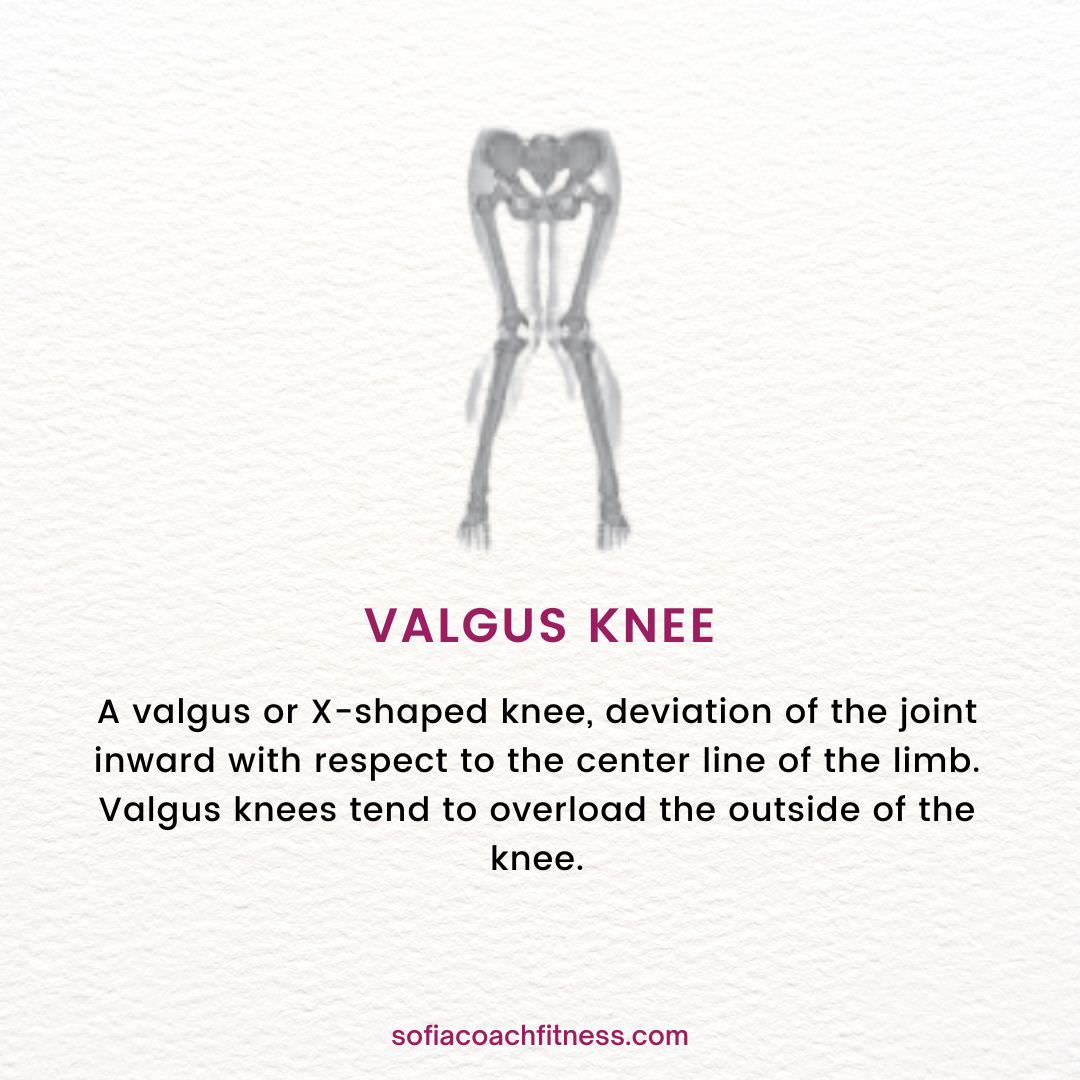
The varus knees in turn have a deviation of the joint outward, the opposite of those with valgus knees. It is common to have strong and shortened muscles in the outer regions of the legs (abductor muscles) and weak and lengthened muscles in the inner regions of the legs (adductor muscles).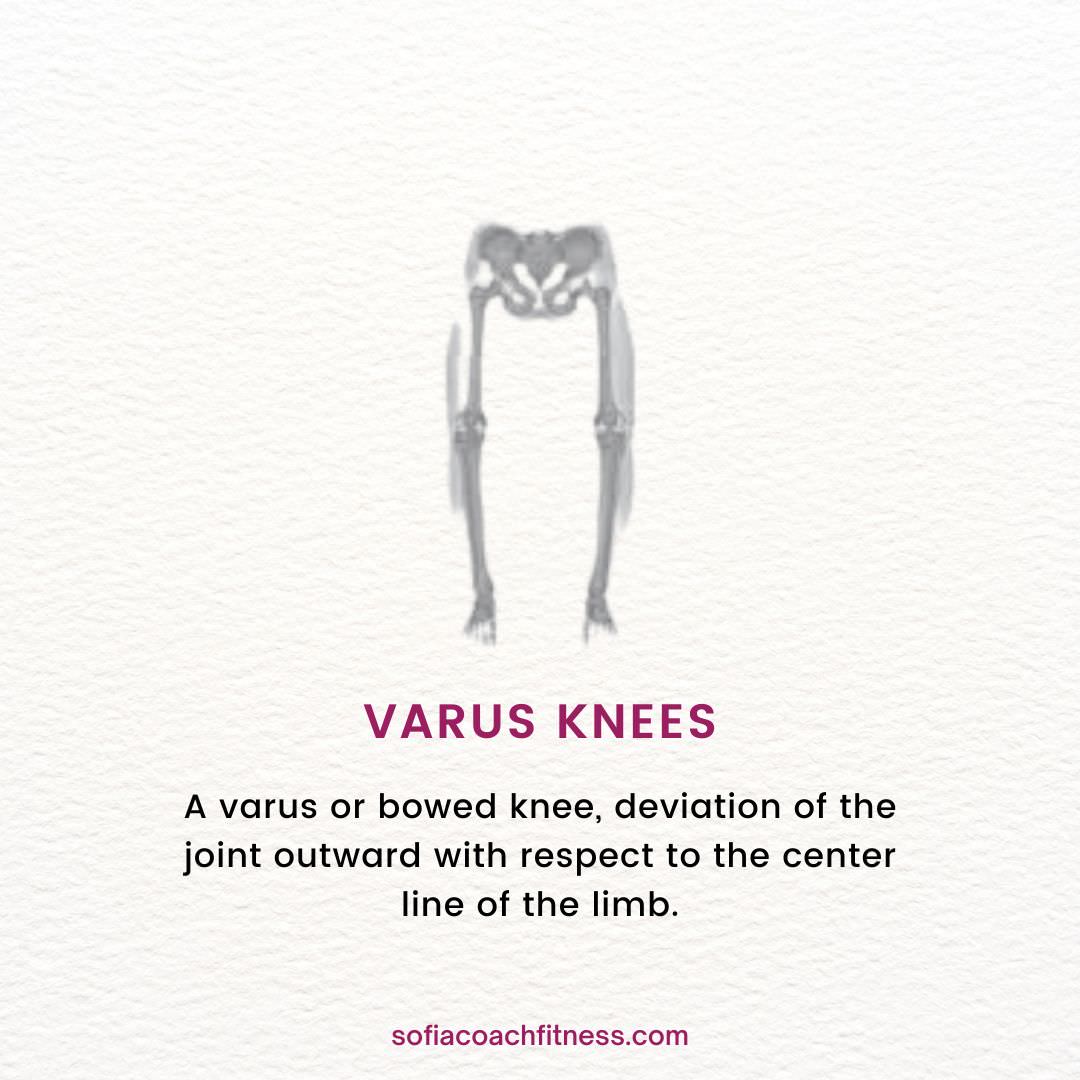
Therefore, for both types of knees, it is important to perform specific strengthening exercises to correct these muscle imbalances by strengthening the weak muscles and lengthening the shortened muscles.
In valgus knees, the focus should be on strengthening the abductor muscles (outer part of the legs) and lengthening the adductor muscles (inner part of the legs).
Examples of strengthening exercises - squats, Bulgarian squat, lunges with control, leg extensions, pelvic lifts, leg abduction exercises and others...
In the case of varus knees, the focus should be on strengthening the adductor muscles (inner part of the legs) and lengthening the abductor muscles (outer part of the legs).
Examples of strengthening exercises - sumo squat, sumo deadlift, leg adduction exercise, pelvic lift, side lunges, leg press and others...
However, it is possible to perform any type of exercise with valgus or varus knees, always having body awareness and awareness of possible limitation. Always take extra care and attention when performing the exercises.


