

Pelvic Retroversion and Weightlifting
Posture is an essential factor for the health and well-being of our bodies. A key component of posture is the position of the pelvis, which can vary from individual to individual.
Pelvic retroversion can have implications for posture, stability, and comfort, especially during weightlifting exercises. In this article, we will explore what pelvic retroversion is and how to select and adapt weightlifting exercises to promote a healthy posture.
Pelvic Retroversion
The pelvis forms the foundation of our torso and plays a crucial role in weight distribution and balance. Its position can vary from person to person. Pelvic retroversion involves a backward tilt of the pelvis, resulting in a reduction of the natural lumbar curvature, as if the lower back were folding inward.
Pelvic retroversion isn't necessarily problematic, but it can contribute to back pain, discomfort, and even injuries if not properly managed, especially during weightlifting training. We might not feel anything at the moment, but improper posture during exercise execution can lead to injuries.
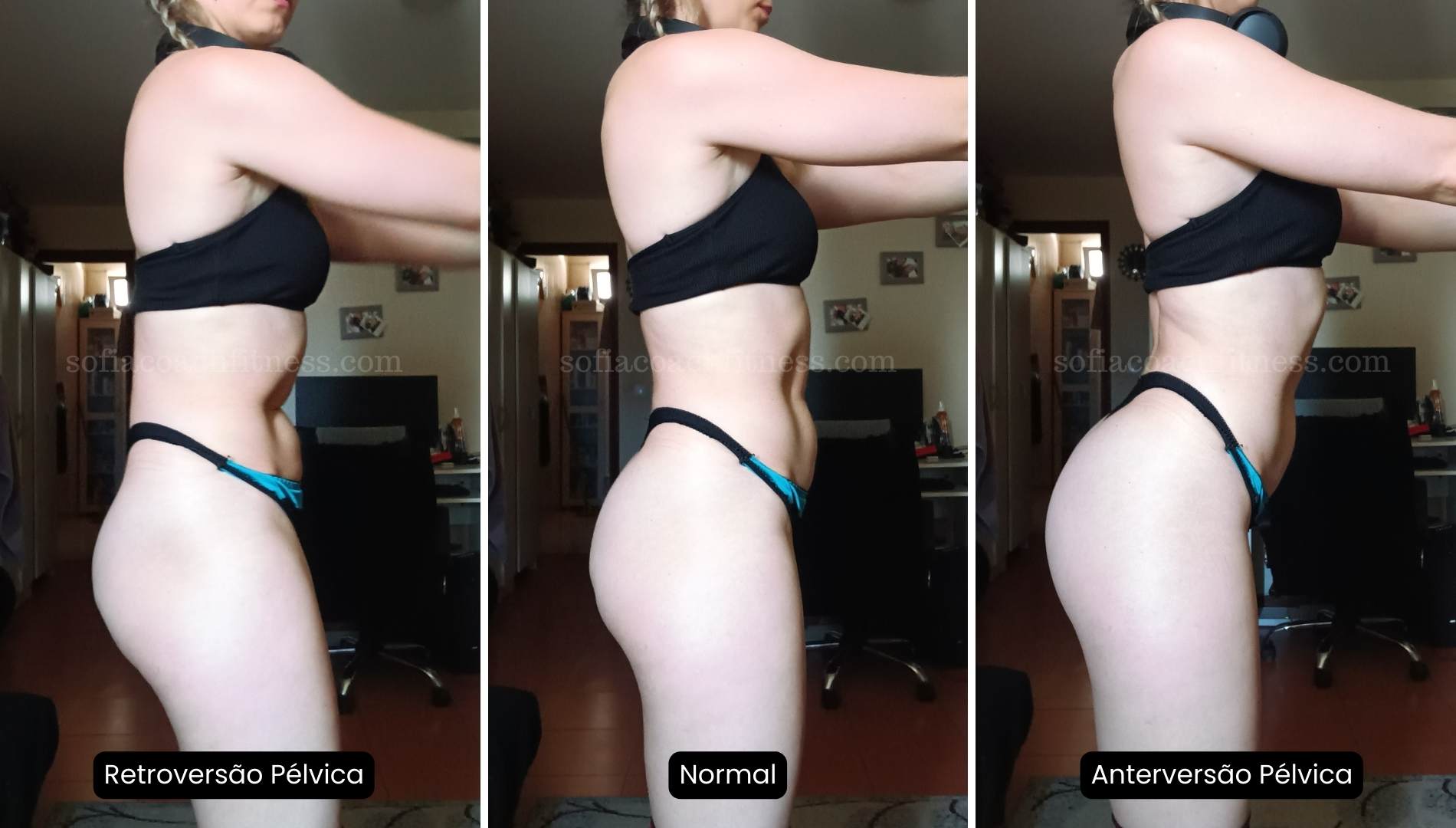
First image: Pelvic Retroversion
Middle picture: Normal
Third image: Pelvic Anteversion
Weightlifting Exercises for Pelvic Retroversion
For those with pelvic retroversion, it's important to select and adapt weightlifting exercises to maintain proper posture and minimize the risk of injuries. Here are some guidelines to consider:
- Core Strengthening: Strengthening the core muscles, including deep abdominals and back muscles, is crucial. Exercises such as planks, glute bridges, and controlled abdominal exercises can help stabilize the pelvis and maintain proper posture.
- Avoid Excessive Lumbar Curvature: Some weightlifting exercises, like squats and deadlifts, can put more pressure on the lower back. When performing these exercises, it's important to maintain correct spinal alignment and avoid excessive lumbar curvature.
- Stretching and Mobility: Pelvic retroversion can affect the flexibility of the muscles in the front of the thighs and hips. Including stretches and mobility exercises for these areas can help alleviate tension and improve posture.
- Leg and Glute Training: Exercises like squats (with proper technique) and hip thrusts can be beneficial for strengthening the leg and glute muscles, aiding in pelvic stabilization.
Balance and Postural Awareness
Pelvic retroversion influences posture and comfort during weightlifting training. Properly selecting and adapting exercises, focusing on core strengthening, pelvic stabilization, and postural awareness, allows you to enjoy the benefits of training without compromising the health of your spine and overall body. Always remember the importance of seeking professional guidance to ensure a safe and effective workout.


